
Selecting the right Barrel
The Art of Barrel Sourcing: How to Find the Perfect Oak for Your Whisky or Gin
Crafting the perfect whisky or gin requires not only a skilled distiller, but also the right ingredients and equipment. One of the most important pieces of equipment for any distiller is the oak barrel, which not only acts as a vessel for aging, but also imparts unique flavours and aromas to the final product. But with so many different types of oak and barrels available, how do you find the perfect one for your whisky or gin? Here are some key factors to consider when sourcing your oak barrels.
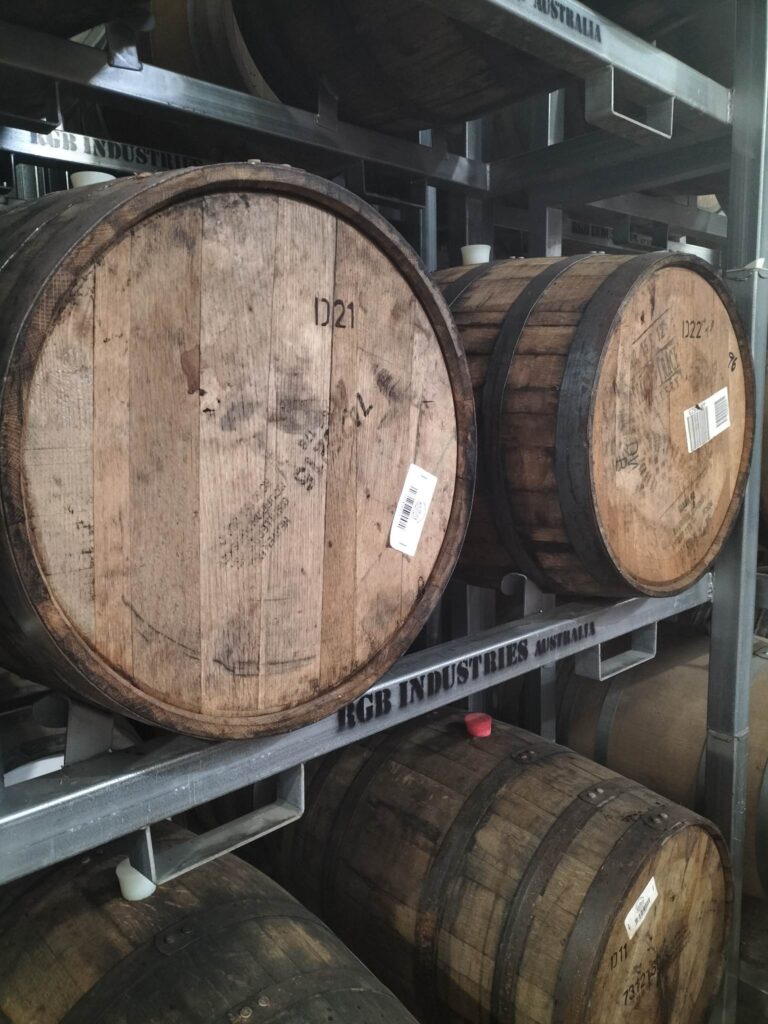
Consider the Age and History of the Barrel
The age and history of the barrel can have a significant impact on the final flavor of your whisky or gin. Barrels that have been previously used to age other spirits or liquids can impart unique characteristics to your product. For example, a barrel that has been previously used to age sherry can add notes of caramel, toffee, and dried fruit to your whisky, while a barrel that has been used to age bourbon can impart flavours of vanilla and oak.
It’s also worth considering the condition of the barrel before using it to age your spirit. A barrel that has been well-maintained and properly stored will likely produce better results than one that has been neglected or improperly cared for. And of course, the age of the barrel itself can also be a factor, with older barrels often being more sought after due to the depth and complexity of flavor they can impart.
Overall, when sourcing barrels for your whisky or gin, it’s important to consider the age, history, and condition of the barrel, as well as the type of wood used and any previous contents, in order to find the perfect match for your desired flavor profile.
Understanding the Different Types of Oak
The two primary species of oak used in barrel-making are American white oak (Quercus alba) and European oak (Quercus robur). American white oak is known for its high levels of vanillin, which can impart sweet vanilla and coconut notes to spirits. European oak, on the other hand, is less porous than American oak and can impart a tighter grain structure and more tannic and spice flavours.
Within each species, there are also variations in the quality of the oak. Factors like the age of the tree, the location where it was grown, and the climate can all impact the quality of the oak. Additionally, the way the staves are cut and seasoned can also impact the final flavor profile.
Ultimately, the type of oak you choose will depend on the specific flavor profile you are looking to achieve in your whisky or gin.
Consider the Size of the Barrel
Barrels come in a range of sizes, from small casks to large hogsheads, and the size you choose can affect the rate of aging and the intensity of the oak flavors.
Smaller casks, such as 50-liter barrels or even smaller “quarter casks,” have a higher surface area to volume ratio, which means that the spirit will be in contact with more oak. This can lead to a more rapid extraction of flavors and a higher concentration of oak flavors in the final product. Additionally, smaller casks can accelerate the aging process, as the spirit will be in contact with more oak and therefore extract more flavor compounds at a faster rate.
Larger casks, on the other hand, have a lower surface area to volume ratio, which means that the spirit will be in contact with less oak. This can result in a slower extraction of flavors and a lower concentration of oak flavors in the final product. However, larger casks can also allow for more oxidation and evaporation, which can lead to a more mellow and rounded flavour profile.
Toasting vs. Charring
Toasting and charring are two different processes used to alter the flavor of a barrel and ultimately the spirit that is aged within it.
Toasting involves applying heat to the inside of a barrel to release the flavors and aromas of the wood. During this process, the barrel is heated at a lower temperature than in charring, and for a shorter period of time. This causes the wood to caramelize, releasing a range of flavours such as vanilla, caramel, and toffee, as well as adding a toasted, nutty aroma. The degree of toasting can be controlled, and lighter toasts will impart more subtle flavours, while heavier toasts will create a more intense profile.
Charring, on the other hand, involves burning the inside of a barrel to create a layer of charred wood. This process is typically done for a longer period of time and at a higher temperature than toasting, which results in a layer of char that is deeper into the wood. The level of charring can range from light to heavy, with each level creating a different flavour profile. Lighter charring will impart less flavour, while heavier charring will create more intense, smoky, and spicy flavours.
The level of toasting or charring can greatly impact the flavour profile of the spirit that is aged within the barrel. Toasting is known to produce sweeter and more delicate flavours, while charring tends to create bolder and smokier notes. The length of aging also plays a significant role in how the barrel influences the final flavor of the spirit.
Choosing the appropriate level of toasting or charring is an important decision when selecting a barrel for aging whisky or gin. It is also important to consider the size of the barrel, as the smaller the barrel, the more influence the wood will have on the spirit due to a higher surface area to volume ratio. Ultimately, the decision of how much toasting or charring to apply to a barrel will depend on the specific flavor profile desired for the final product.
Maturing Whisky in Australia
The climate of the maturation environment can have a significant impact on the final flavor of the spirit. In Australia, the climate is incredibly diverse, with regions ranging from cool and temperate to hot and tropical. As a result, distillers in Australia must consider how the climate will affect the maturation process of their spirits.
Generally speaking, hotter climates tend to accelerate the maturation process, as the higher temperatures cause the spirit to interact more with the oak and extract more flavour and colour. This can result in a more intense, robust flavour profile in a shorter amount of time. However, it’s important to note that too much heat can also cause the spirit to become overly woody or tannic.
Conversely, cooler climates tend to slow down the maturation process, resulting in a more delicate and nuanced flavour profile. However, the extended maturation time can also result in a higher angel’s share (the amount of spirit lost to evaporation) and increased cost.
In Australia, many distillers opt for maturation in a cool, dry environment such as a warehouse or cellar, which helps to maintain a consistent temperature and humidity level. This can help to balance the maturation process and ensure that the spirit develops a complex and balanced flavour profile.
It’s also worth noting that different regions of Australia have different climates and temperature ranges. For example, distillers in Tasmania may experience cooler temperatures and higher humidity levels compared to those in Western Australia, which has a warmer and drier climate. As a result, the choice of maturation environment and barrel selection may vary depending on the specific region and climate.
Ultimately, understanding the impact of climate on maturation is an important consideration for any distiller, and can help to ensure that they are crafting a high-quality, balanced product that reflects the unique characteristics of their region.
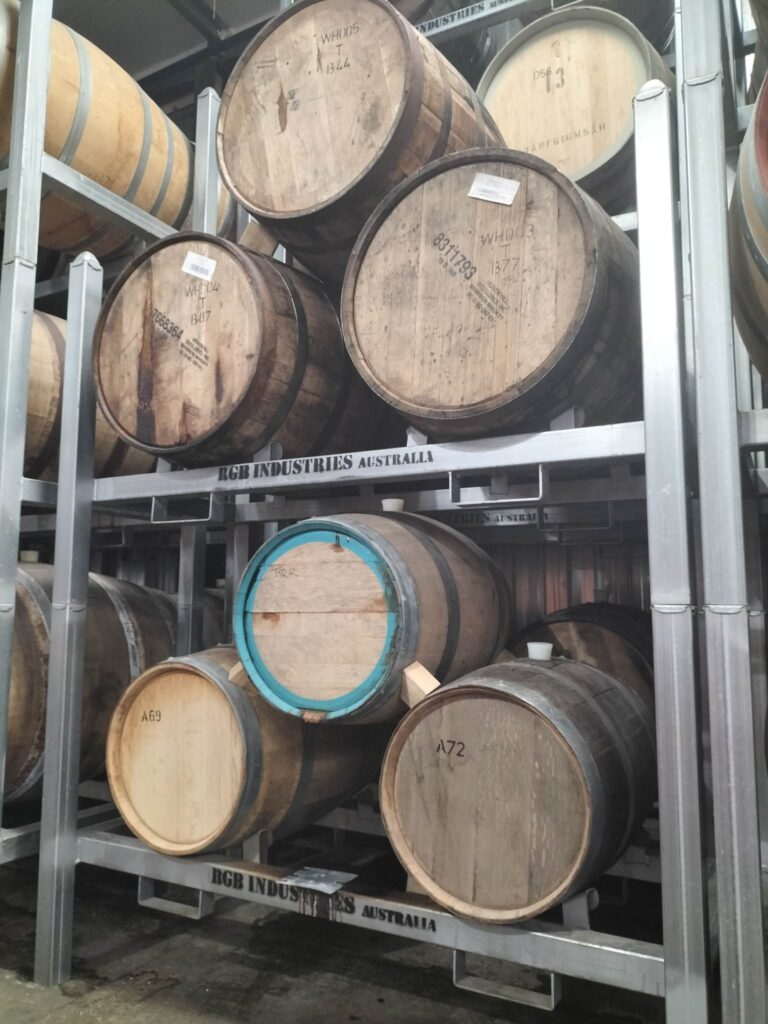
Consider Your Own Preferences and Experimentation
Ultimately, the perfect barrel for your whisky or gin will depend on your own preferences and experimentation. It’s important to taste and analyze your product throughout the aging process to ensure you are achieving the desired flavor profile. Don’t be afraid to try different types of oak, barrels, and cooperages to find the perfect combination for your product.
How I can help
As an expert consultant with over a decade of experience in the whisky industry, I know firsthand how important it is to consider the barrel selection when crafting the perfect whisky or gin. That’s why I’m here to help you navigate the complex world of barrel sourcing.
Choosing the right barrel can make all the difference in achieving the desired flavor profile for your product. With my expertise in barrel selection and sourcing, I can guide you in finding the best possible barrels for your whisky or gin. Whether it’s considering the age and history of the barrel, the type of oak, the size and toast level of the barrel, or the cooperage, I can help you make informed decisions that will enhance the quality and uniqueness of your product.
Don’t settle for a subpar product. With my help, you can take your whisky or gin to the next level and stand out in a crowded market. Contact me at Strikewater Consulting to learn more about how I can assist with all of your barrel-related needs.